
If you have any questions about what you need to do to prepare for your ultrasound appointment, please contact us as early as possible.
You can MESSAGE us
Any time on our Contact page.
You can READ frequently
asked questions on our FAQ page.
In this article, we look at how an ultrasound guided cortisone injection works, why imaging is used, what happens during the procedure and how to prepare for recovery.
An ultrasound guided injection uses real-time ultrasound images to help the doctor to aim the needle at the exact spot. The injection may contain a steroid (cortisone), which is very commonly used, either alone or in combination with a local anesthetic. The steroid helps to reduce the inflammation and may be indicated for a number of painful joints and the soft tissues around them. The steroid injection may be injected into a joint, into a bursa or around a tendon. Your GP or specialist assesses your symptoms and decides whether an injection is appropriate. The referral and the clinical advice can also help determine what type of guided injection you require.
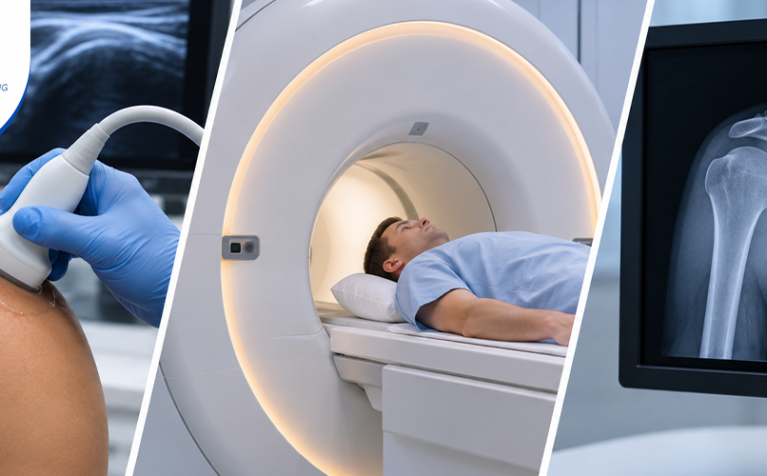
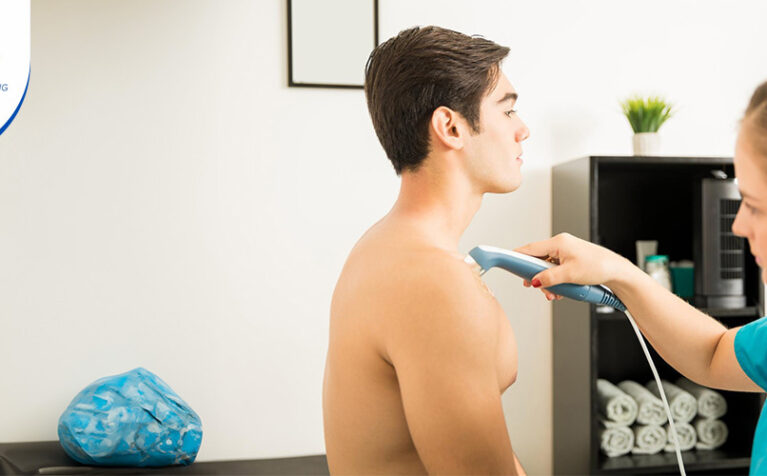
An image-guided injection allows the operator to see the relevant anatomy and the position of the needle on screen as they perform the injection. This enables them to guide the needle to the target area, taking into account the adjacent structures. A shoulder ultrasound is often used to examine muscles, tendons, and other soft tissues. For a guided joint injection, the ultrasound will show the joint and the surrounding soft tissues in real time and can also be used for injections into bursae and tendon sheaths. The imaging modality will be dictated by the site of injection and the clinical situation. Ultrasound is a very useful tool for many musculoskeletal injections but is not suitable for all.
The exact steps will vary depending on the area being treated, but the procedure in general terms would be as follows.
The doctor will go through your referral, your medical history, your symptoms, your medications and allergies. Let them know if you have diabetes, are on blood thinners, have an infection or have had a previous reaction to an injection. Don’t stop any of your prescribed medications unless your treating doctor tells you to.
You’ll be asked to either sit or lie in a position that gives the doctor access to the treatment area. You may need to adjust your clothing or change into a gown depending on where the injection is to be given.
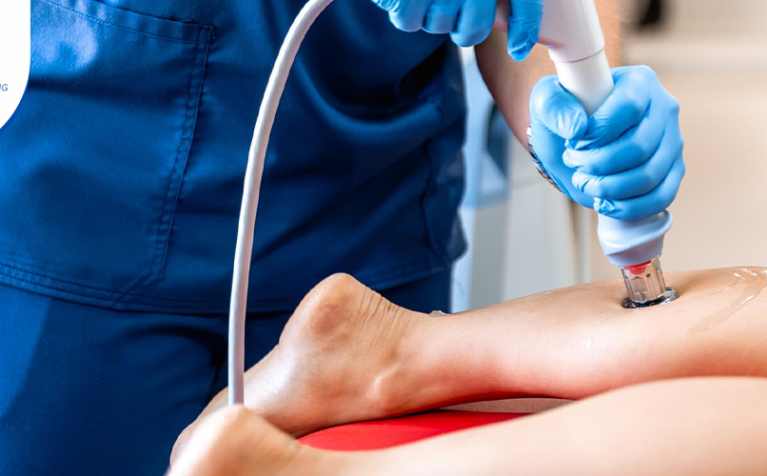
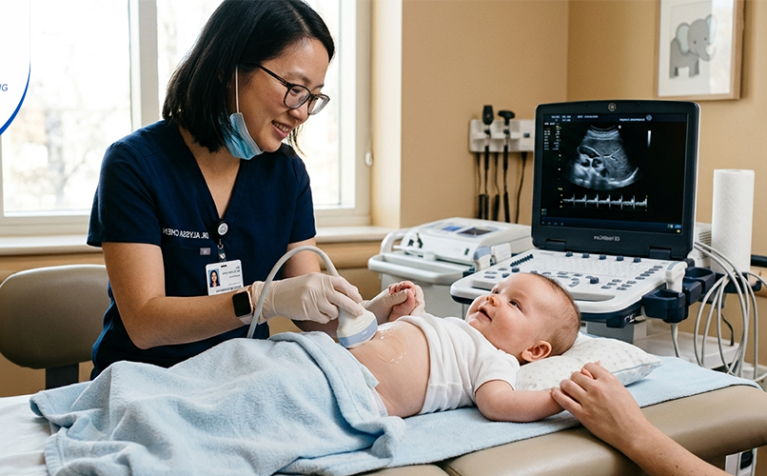
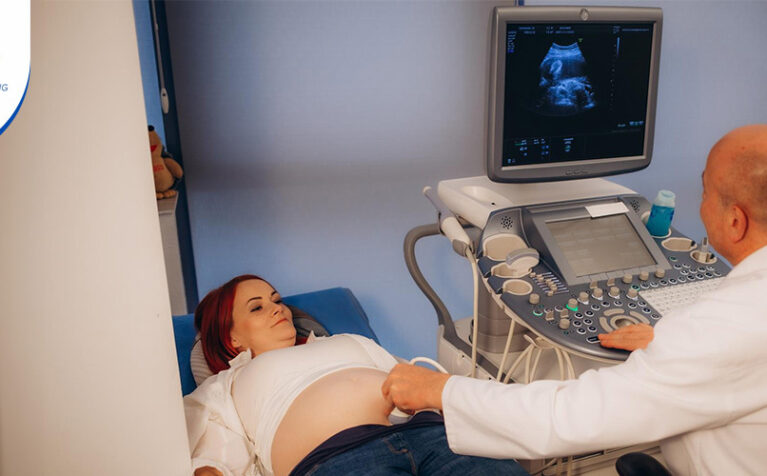
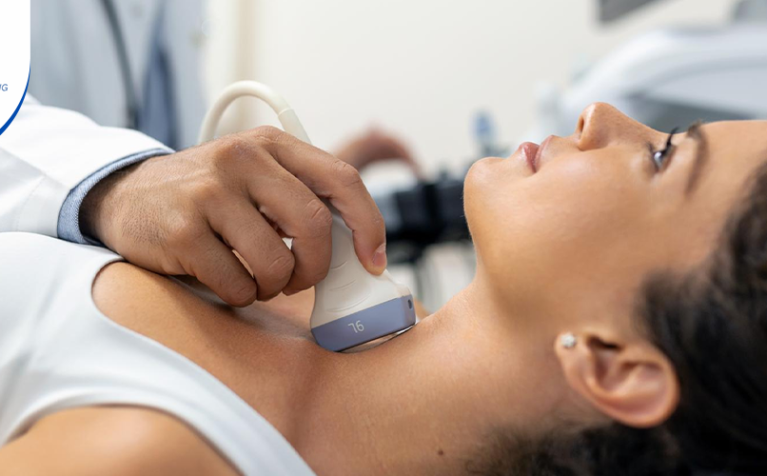
The skin is cleaned with an antiseptic. Ultrasound gel is applied, and the doctor then uses the probe to locate the area in question.
The doctor is watching the ultrasound as he’s guiding the very fine needle to the site. Depending on the condition, the injection may be directed into a joint, bursa, or around a tendon. Depending on the area being assessed, your doctor may recommend assessing these structures during a musculoskeletal ultrasound. A local anaesthetic may be used to numb the skin or area prior to the injection.
Once the needle is in position, the prescribed medication is injected. You may feel some pressure or a sense of fullness as it’s being delivered. The needle is then removed, and a small dressing will be applied.
The doctor will go over any immediate aftercare with you prior to you leaving.
You may well get a brief prick from the needle, then some pressure/discomfort as the injection is given. That’s obviously going to be down to the site of treatment and your own individual sensitivity. If local anaesthetic is used then the area will be numb for a few hours. Some people do get a bit of soreness or a transient increase in pain as the anaesthetic wears off.
Your doctor may advise you to take it easy for a short time and avoid any strenuous activity involving the area that’s been injected. You’ll need to follow their specific instructions as the advice on recovery will vary depending on the site of injection. Cortisone won’t work for everyone and it may be some days before you notice any effect at all. The degree and length of effect will also vary from person to person.
Possible side effects are transient pain, bruising, flushing and a transient rise in blood glucose. If you have diabetes you should ask your treating doctor how you would monitor your glucose levels after the injection. Seek medical advice promptly if you develop increasing pain, redness, warmth or swelling at the injection site or a fever as this may be a sign of infection.
If your GP or specialist has recommended an ultrasound guided cortisone injection, please contact Insight Diagnostic Imaging to enquire about the procedure and availability of appointments at our Springvale and Dandenong clinics. Call (03) 9522 9898 to discuss your referral, the injection you’ve been advised to have and any preparation or billing requirements. Our team can assist you with the next steps in arranging your imaging appointment.
It depends on the injection site and the steps involved. Your appointment may also include time for a medical review, preparation, and a short period of observation afterwards. The clinic can give you an estimate when you book.
Fasting usually isn’t needed for many musculoskeletal injections, but instructions can vary. Follow the guidance your clinic gives you when you book.
It depends on where you’re having the injection, which medication is used, and whether you experience temporary numbness or weakness. Check with your doctor beforehand, and arrange a ride if they recommend it.
The timing varies from person to person. Some people notice a difference after a few days, while others get little or no relief.
You may be asked to rest the treated area and avoid strenuous activity for a while. Follow the aftercare advice for your specific injection.
Not necessarily. A guided joint injection targets a joint, while an ultrasound-guided injection can also target a bursa, tendon sheath, or other soft tissue.