
Dating Scan vs Viability Scan: What's the Difference and When Do You Need Each?

Dating Scan vs Viability Scan What's the Difference and When Do You Need Each

What This Article Covers

Learn about the difference between a dating scan and a viability scan, what each ultrasound checks, when they’re performed, and how to know which one you need.

Two Early Pregnancy Scans, Two Different Purposes

When you first find out you’re pregnant, everything feels so exciting. Even when you’re going for frequent tests and doctor visits, that excitement of having a baby remains like a constant thrum inside. But along with that thrill, many questions keep coming to mind. And one of the first questions you have early on is about the various ultrasound pregnancy scans you’ll have to take. Early pregnancy often brings with it a flurry of appointment names that sound the same. So, if you hear your doctor mention a dating scan or viability scan, it’s natural to wonder what they are and whether they’re the same thing. Both these scans are performed in early pregnancy, but they serve different purposes. Understanding what each scan looks for can help you feel more prepared and know what to expect as your pregnancy progresses.   

What Is a Viability Scan?

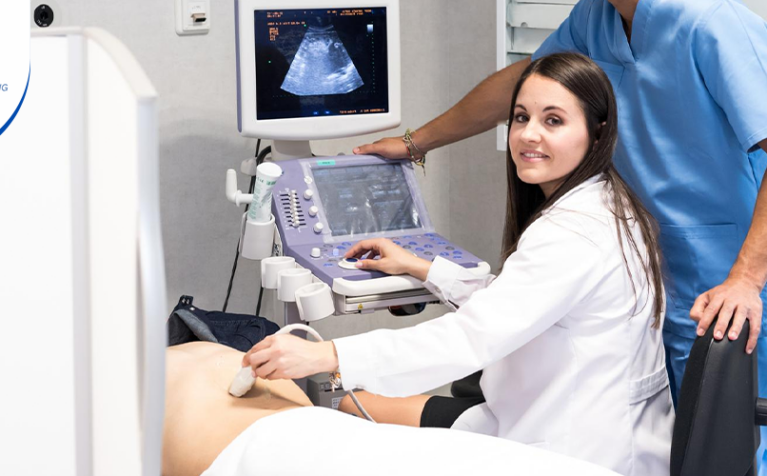
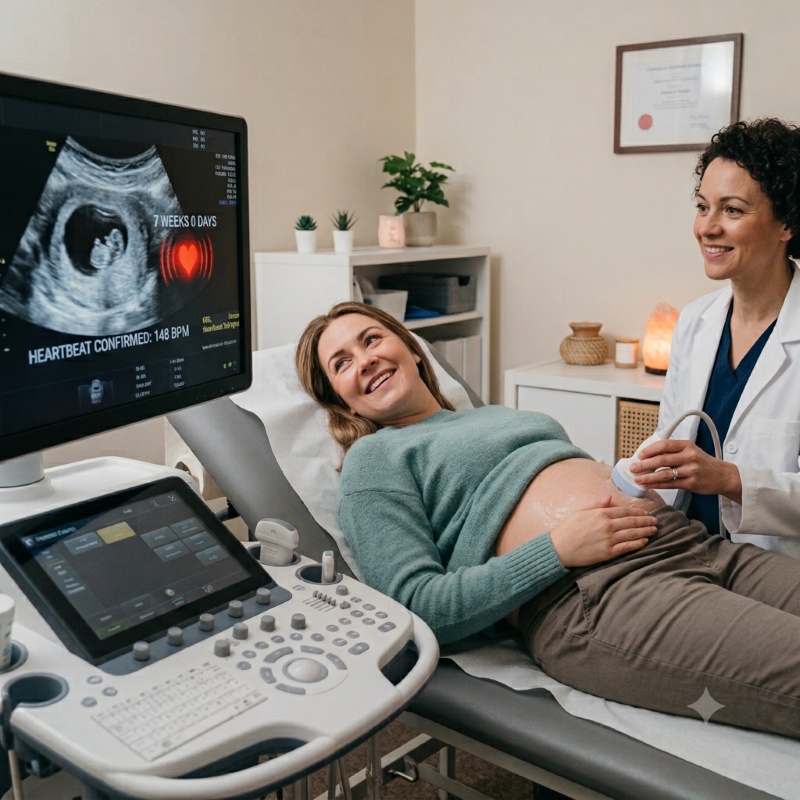
The idea of growing a baby, of creating a new life together, can be a bit intimidating. In the initial days of pregnancy, expecting parents are usually as worried as they’re excited. A viability ultrasound can address their anxieties and help them feel calm and reassured. A viability scan focuses mainly on confirming the heartbeat and health of your baby. Usually done between 6 and 8 weeks of pregnancy, this is often the very first scan that you have in your pregnancy journey. Most doctors often group it with a dating scan too. Other than confirming the heartbeat of the baby, a viability ultrasound also checks the location of the pregnancy in the uterus, confirms whether you have a single pregnancy or multiple babies, and catches any early complications.

There’s knowing you’re pregnant and then there’s the feeling of seeing your baby, hearing his heartbeat for the first time. In the early days of pregnancy, there are a lot of common questions expectant parents ask their doctors about their baby’s health and growth. With a viability scan, doctors can answer their initial queries and reassure them of their baby’s health.

viability ultrasound
What Is a Dating Scan

What Is a Dating Scan?

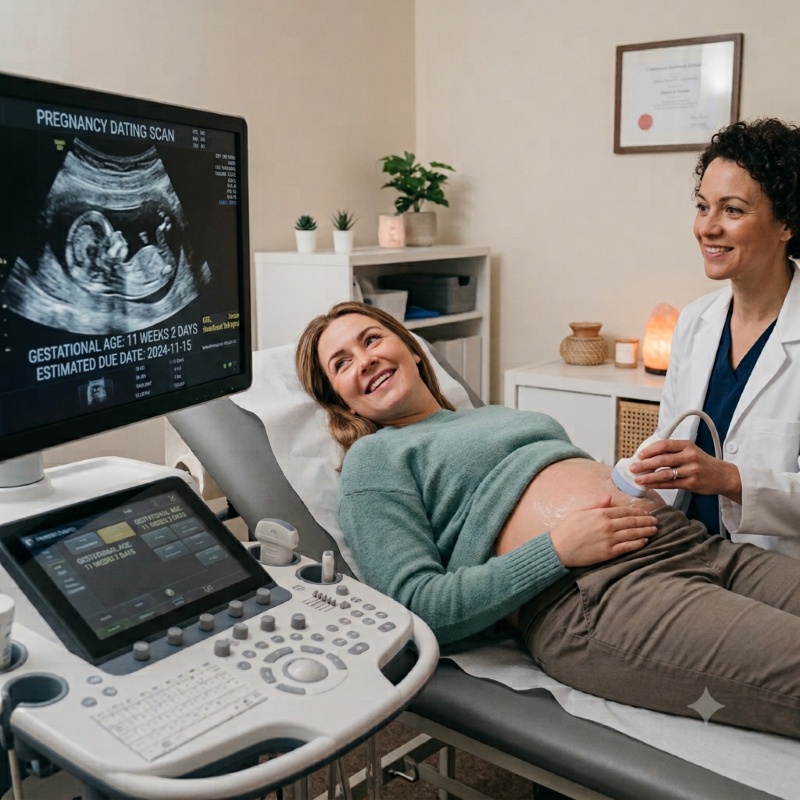
Another common question expectant parents ask early on is how long they’ve been pregnant and when their baby is due. That’s where a dating scan comes in. As the name suggests, a pregnancy dating scan is performed to get an accurate estimate of your child’s gestational age and your expected due date. Often performed in the first trimester, the dating scan is usually done between 8 – 12 weeks of pregnancy. The main purpose of this scan is to measure the size of the embryo/fetus (specifically the Crown-Rump Length or CRL). But beyond the baby’s age, what else does your sonographer check during this scan? An ultrasound dating scan can also:

  • Check the position of your placenta
  • Check if your pregnancy is not ectopic (when the baby grows outside the uterus)
  • Check the health of the ovaries.
  • Determine whether the babies share a placenta in case of multiple pregnancies.
  • Whether your baby is growing as expected.

Another question most parents have is the cost of these scans. At Insight Diagnostic, we believe that high-quality imaging should be accessible to everyone. That’s why we offer a bulk billed dating scan for eligible patients so you can get the best care all through your pregnancy journey.

Dating Scan vs Viability Scan: Key Differences at a Glance

Still confused about the difference between a dating scan and a viability scan? You’re not alone. Many expectant parents, especially first-time parents, feel confused about what each of these scans does and why they’re considered separate scans when they’re often grouped together. Here’s a quick look at what makes these two scans different:

Feature Dating Scan Viability Scan
Why it's done To check your baby's gestational age and determine the most accurate estimated due date. To confirm the pregnancy, assess healthy fetal development, and check for a heartbeat when visible.
When it's done Usually performed between 8–12 weeks of pregnancy. Usually performed between 6–10 weeks of pregnancy.
What's checked Baby's measurements, gestational age, expected due date, and number of babies. Pregnancy location, heartbeat (if visible), number of babies, and early fetal development.
Referral Needed? Yes. A referral from your GP or obstetrician is required. Yes. A referral from your GP or obstetrician is required.

When Do You Need Each Scan?

So, do you always need both scans? Not always. Sometimes doctors recommend both scans, while in other cases, only a dating scan is enough. It depends on how far along you are and whether you’re having any symptoms or concerns worth checking.

Every pregnancy is different, and so the care you need is also tailored to your individual circumstances. For example, if your pregnancy is progressing normally and you’re already close to the timing of a dating scan, your doctor may decide that a separate viability scan isn’t necessary. On the other hand, if there are concerns like early bleeding or pain or the dates are uncertain, a viability scan can provide valuable reassurance before moving on to the dating scan.

Not Sure Which Scan You Need? We’ll Guide You

Both viability scans and dating scans play an important role in early pregnancy, but they aren’t interchangeable. One confirms that the pregnancy is developing as expected, while the other provides the most accurate estimate of your due date. Knowing the difference can make those first appointments feel a little less confusing and help you approach each stage of pregnancy with greater confidence.

At Insight Diagnostic Imaging, we understand that early pregnancy can feel exciting, emotional, and sometimes overwhelming. Our experienced sonographers perform your scan with care and explain the process clearly, ensuring your visit is as comfortable and reassuring as possible. Book your visit at our Springvale or Dandenong clinic today and experience gentle care and support throughout your pregnancy journey.

Frequently Asked Questions 

1. Can a dating scan and viability scan be done at the same appointment?

Yes, in some cases. If you’re at the right stage of pregnancy, one ultrasound may assess both viability and gestational age.

Yes. A valid referral from your GP, obstetrician, or healthcare provider is generally required for both scans.

Eligible pregnancy ultrasound services may be bulk billed with a valid referral. Contact the clinic to confirm your eligibility.

A heartbeat can often be detected from around 6 weeks of pregnancy, although this may vary depending on how far along the pregnancy is.

A viability scan is usually performed first, followed by a dating scan later in the first trimester if recommended.

A dating scan can accurately estimate your baby’s gestational age and expected due date, even if you’re unsure of your last menstrual period.

Related Posts