
If you have any questions about what you need to do to prepare for your ultrasound appointment, please contact us as early as possible.
You can MESSAGE us
Any time on our Contact page.
You can READ frequently
asked questions on our FAQ page.
This article explores why pregnancy ultrasound scans are performed, when they’re recommended, what to expect during appointments, and addresses common concerns for expectant parents.
Pregnancy and welcoming a baby into our lives are two of life’s most exciting milestones. When you first find out you’re expecting, that joy and anticipation are unparalleled. However, this excitement often comes with a long list of questions, especially when your doctor recommends a pregnancy ultrasound scan. While they sound a bit scary and medical, pregnancy scans and ultrasound appointments often become the most important and memorable milestones in your pregnancy journey. Their main purpose is to help monitor your baby’s development and provide your doctor with valuable information about your pregnancy’s progress. However, for expecting parents, they bring reassurance of the baby and the mother’s health and a tangible and accessible connection to their unborn child.
If you’re also an expecting parent recently referred for an obstetric scan or preparing for your first appointment, here are answers to some of the most common questions expectant parents ask.
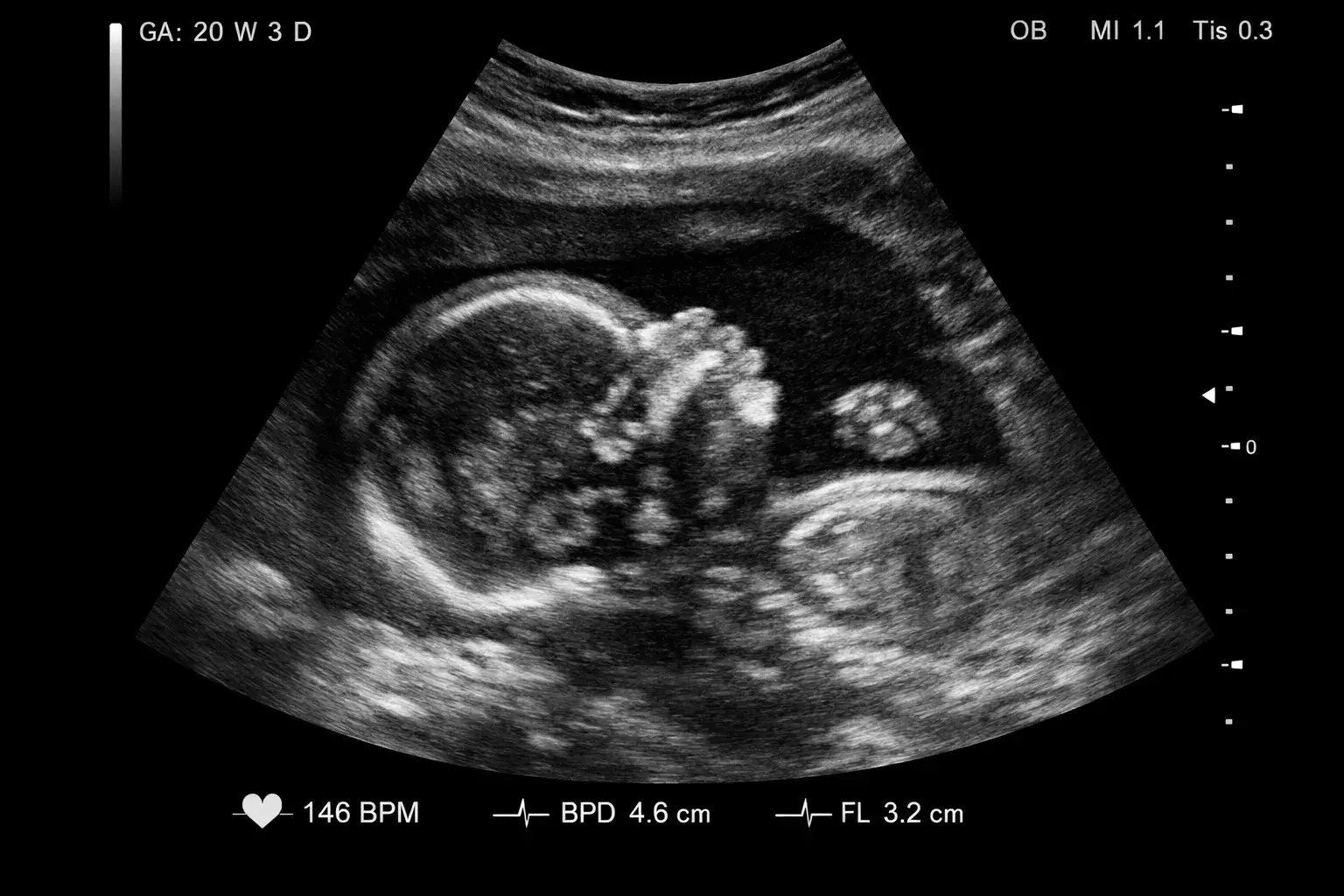
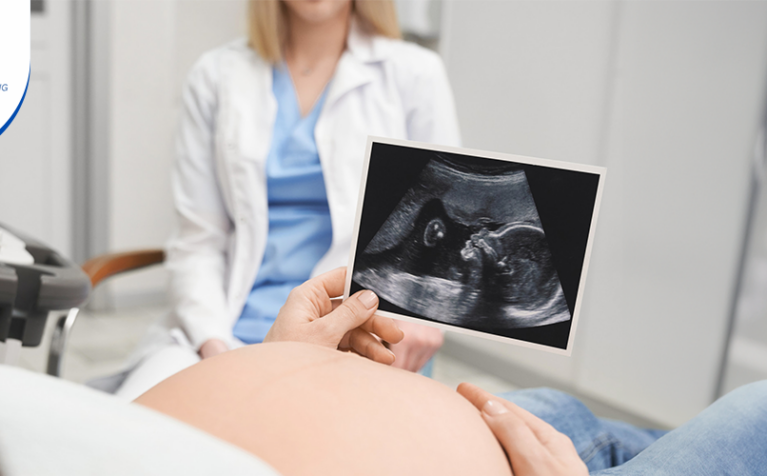
It’s often the first question that comes to mind, usually because you’re unaware of what it is and why it is used. Pregnancy ultrasound scans are used to monitor the baby’s growth and the mother’s overall health throughout the pregnancy journey. The ultrasound technology is radiation-free and uses sound waves to create real-time images of the developing baby and surrounding structures inside the uterus. With these images, doctors and midwives can assess your baby’s growth, estimate gestational age, confirm the baby’s position, and monitor other aspects of your pregnancy easily.
It’s said that there’s no force more powerful than a mother’s desire to protect her child. And mothers feel protective right from the first moment they find out about their pregnancy. So, if you’re also having concerns about the safety of pregnancy scans, you’re not alone.
The good news is that ultrasound scans are completely safe for babies, as they do not use ionising radiation. Instead, they use high-frequency sound waves to create real-time images. It is widely considered a safe and non-invasive imaging method when performed by qualified radiologists and sonographers. That’s why doctors prefer to use ultrasound services in routine pregnancy care to monitor fetal growth and well-being.
Another thing most expectant parents worry about is the number of pregnancy scans they’ll have throughout the pregnancy. So, when you ask your doctor how many scans you’ll need, your worry is a common one. However, the number of pregnancy scans you need varies depending on your individual circumstances and your doctor’s advice.
In a low-risk or uncomplicated pregnancy, most doctors recommend that you first have a bulk billed dating scan in the initial months to help estimate your due date and confirm the pregnancy. Between 11 and 13 weeks, your doctor may also recommend a Nuchal Translucency (NT) scan, which assesses the fluid at the back of the baby’s neck. It helps assess abnormalities in the fetus, like certain chromosomal conditions or cardiac issues. Later, they’ll refer you for a morphology (anatomy) scan (18–22 Weeks), which is performed to assess the baby’s development.
Sometimes, your doctors may recommend additional scans to check some symptoms or gather more information about your health and the baby’s growth. But that’s not anything to worry about. Some pregnancies may require additional scans to monitor growth, check specific concerns, or provide further information about the baby’s health.
Scared of going to your first ultrasound appointment alone? Many women are. However, you can always have your partner accompany you to your first ultrasound. In fact, many expectant parents look forward to sharing the experience of seeing their baby for the first time. Usually, ultrasound clinics do allow partners or support people to attend the ultrasound appointments. However, different clinics may have varying policies. You should always check with your ultrasound clinic beforehand about their visitor guidelines.
When you feel nervous about the scan, remember that these pregnancy scans are done to check your baby’s growth and your health. They don’t just give information about your pregnancy. They also bring reassurance and support throughout your pregnancy journey. So, if you have concerns or questions about your first appointment, don’t hesitate to ask your doctor or your radiologist.
Pregnancy ultrasound scans are an important part of modern prenatal care, helping doctors and midwives to monitor your baby’s growth and development and make informed healthcare decisions. So, when your doctor recommends an ultrasound, don’t hesitate to book your appointment with a local ultrasound clinic promptly. Whether you’re curious about pregnancy scans or feeling anxious about them, understanding their purpose can help you feel more confident and reassured.
Looking for accurate and affordable pregnancy scans? At Insight Diagnostic Imaging, we provide professional ultrasound services in a welcoming and supportive environment. We also offer Bulk Bill Pregnancy Ultrasound services for eligible patients, like our bulk billed dating scan.
Yes. Pregnancy ultrasounds use sound waves rather than radiation and are considered safe when performed by qualified healthcare professionals.
Most pregnancy ultrasound appointments take between 20 and 45 minutes, depending on the type of scan being performed.
No. Pregnancy ultrasounds are generally painless, although you may feel slight pressure from the transducer during the examination.
Many women have a dating scan, a Nuchal Translucency (NT) scan, morphology scan, and a growth scan, while others may need additional scans depending on their individual circumstances.
Ultrasounds provide valuable information about your baby’s growth and development, but no single scan can guarantee a baby’s overall health.
Additional scans may be recommended to monitor growth, investigate symptoms, follow up on findings, or provide further reassurance.
Current evidence indicates that medically recommended ultrasound scans are safe during pregnancy when performed by trained healthcare professionals.
Your doctor will usually provide a referral, which you can use to arrange an appointment with an ultrasound clinic.