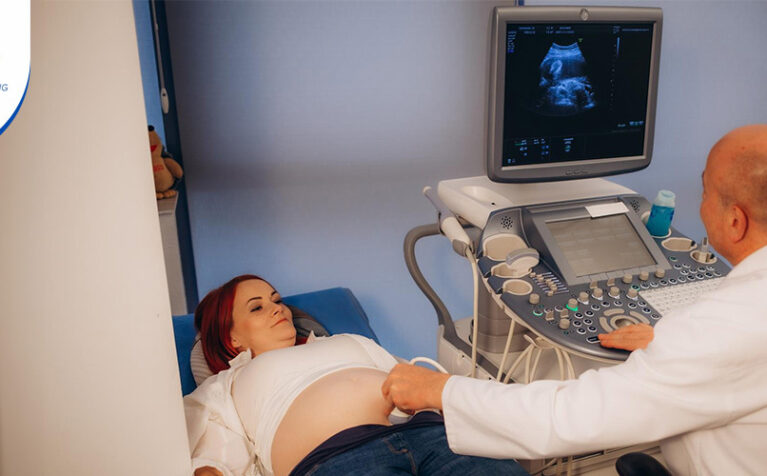



A Complete Parent's Guide to Paediatric Ultrasound Services

A Complete Parents Guide to Paediatric Ultrasound Services

What This Article Covers

Learn why children may need an ultrasound, how paediatric scans work, how to prepare, what happens afterwards, and what to look for when choosing an imaging provider.

Your Child Has Been Referred for an Ultrasound. Now What?

Sometimes a child’s symptoms are a little like clues in a puzzle. You see your child complaining of persistent tummy pain, a swollen ankle, or some other unexplained symptom, and you start thinking about why it’s happening. Go through a whole list of possibilities, ask elders and friends for advice, and even visit a doctor when you don’t get the right answers. And when even your doctor can’t puzzle it out, they might refer you for a paediatric ultrasound. For parents, even a routine medical test can feel somehow more significant when their children are involved. So, it’s natural for you to wonder and worry about what will happen, whether they’ll be frightened, and whether you need to do anything beforehand. A paediatric ultrasound is a simple, non-invasive scan used to check for a range of health concerns in children. Knowing what happens before, during, and after the scan can make the appointment feel much less daunting. In this blog, we bring you the full rundown on paediatric ultrasound scans – what they are, why they’re needed, what happens during this scan, and whether you need to make some specific preparations for this scan.

What Is a Paediatric Ultrasound?

Technically speaking, a paediatric ultrasound is a medical scan that uses high-frequency sound waves to produce real-time images of the organs and structures inside the body. Unlike X-rays, it does not use ionising radiation, making it suitable for babies, children, and teenagers. But if you want to understand it more clearly, to explain it to your child, here’s a simpler explanation. An ultrasound scan works much like the echo you hear when you shout in a large empty space. That echo tells you something about the surroundings even though you can’t see them. Similarly, in an ultrasound scan, sound waves travel into the body, return as echoes, and are translated into images that help doctors see what’s happening inside.

Doctors use this scan to look at different parts of the body, including the abdomen, kidneys, bladder, hips, neck, etc. But what type of scan your child needs depends on their symptoms and what the doctor wants to check. Often, Paediatric Ultrasound services are also tailored to the child’s age, size, and ability to cooperate during the examination.

Why Might My Child Need an Ultrasound?

There are many different reasons why your doctor might refer your child for a paediatric ultrasound. Sometimes it can be to get more information about a symptom, and other times they might want to further check up on something they found during a physical examination. And it’s not always anything serious or worrisome. It can also be a simple check to tick off some boxes or check certain internal organs. Here are some common reasons why your child might need an ultrasound service:

Why Might My Child Need an Ultrasound?
  • Ongoing abdominal pain
  • A lump or unexplained swelling
  • Suspected appendicitis
  • Kidney or bladder concerns
  • Hip development in babies
  • Soft tissue or sports injuries

The type of ultrasound your child needs is determined based on your child’s symptoms or what the doctor wants to examine. For example, if your kid has persistent tummy pain or swelling around that area, a paediatric abdominal ultrasound can help assess their internal organs and structures in the abdomen to find a possible cause.

Why Might My Child Need an Ultrasound?

What Happens During a Child’s Ultrasound?

If you or your child has never had an ultrasound before, it’s natural to feel a bit nervous and perturbed. But an ultrasound scan is completely safe and painless. It is non-invasive, so you don’t have to worry about needle pain. And since it is radiation-free, it won’t harm your child either. Plus, it’s a short examination, over in just 15 to 20 minutes. When you come for the scan, your child will usually be asked to lie or sit comfortably while the sonographer applies ultrasound gel to the skin. Then they will move a small handheld probe gently over the area being examined to capture images of the inside of the body. Depending on the scan, your child may need to change position or move slightly. While the scan is generally painless, if the area being examined is already tender, your child might find the mild pressure uncomfortable. So, you might want to prepare your child for the scan beforehand. Usually, parents or carers are allowed to remain with their child during the scan to help them feel relaxed.

What Happens After the Scan?

The sonographer completes the examination and prepares a report for the referring doctor. Usually, the reports are sent directly to your doctor for review. Your GP or specialist will discuss the results with you and explain whether any further tests or treatment are needed.

How Should You Prepare Your Child?

Preparation varies according to the type of ultrasound. Some abdominal scans require fasting beforehand, while certain urinary or pelvic examinations may require a full bladder. Your imaging provider should give you specific instructions before the appointment if necessary. Follow these rather than relying on general advice online. And if your kid is still young, just simple preparation can help. Tell them what will happen without making the scan sound frightening. Make them wear comfortable clothes and bring a favourite toy, book, or comfort item to make the appointment feel more familiar.

Choosing the Right Children’s Ultrasound Services

When it comes to a child’s ultrasound, the person performing the scan matters. Children respond differently to unfamiliar environments and medical equipment. Some are curious and want to know how everything works, while others need a little more time before they feel comfortable. That’s why choosing the right children’s ultrasound services with proper experience in caring for young patients is essential. It can help make the appointment easier for everyone.

If your GP or specialist has referred your child for an ultrasound, Insight Diagnostic Imaging provides paediatric ultrasound services at both Springvale and Dandenong clinics. Our team takes a calm, age-appropriate approach to each examination, helping children feel as comfortable as possible throughout the scan. We also offer bulkbill ultrasound services for patients with a valid referral and Medicare eligibility.

Have a referral? Book your child’s ultrasound at Insight Diagnostic Imaging today and get personalised care and accurate imaging at affordable prices.

Frequently Asked Questions 

1. Is paediatric ultrasound safe for children?

Yes. Ultrasound uses sound waves rather than ionising radiation and is widely used to examine babies, children, and teenagers.

It depends on the type of scan. Some abdominal ultrasounds require fasting, so follow the preparation instructions provided by your imaging clinic.

It can assess organs and structures in the abdomen and help investigate symptoms such as ongoing abdominal pain, swelling, or other concerns.

Parents or carers can generally stay with their child during the examination, although clinic procedures may vary.

The length varies depending on the type of examination, but many ultrasound scans can be completed within 15 to 30 minutes.

A referral from a GP or specialist is generally required for a diagnostic ultrasound and helps ensure the appropriate examination is performed.

Related Posts